Smart home tech uses a mix of signals to determine when lights should turn on, when a room needs cooling, or when a security system should arm. These reactions occur quietly throughout the day, and most depend on data devices collect in the background. Understanding the kinds of inputs involved makes it easier to see why some routines feel reliable while others need occasional adjustments.
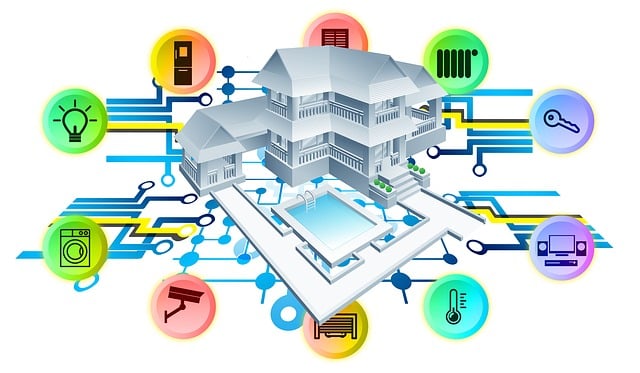
Motion and Presence Detection Data
Motion sensing is one of the oldest and most dependable forms of automation data. A hallway sensor can trigger soft lighting late at night, and a room sensor can help a thermostat decide when a space is occupied. Some devices detect brief movement, some monitor longer periods of activity, and others pick up small shifts that signal someone is still in a room even if they have been sitting quietly.
These signals work well for everyday tasks. Entryway lights can activate after sunset when motion is detected, and a thermostat can switch to an energy-saving mode once a room has been inactive for a while. Since motion readings respond instantly to activity inside the home, they support routines that need quick reactions.
Light Level and Environmental Sensor Data
Environmental sensors help smart home devices understand the conditions inside a room. They track temperature, humidity, air quality, and other factors that affect comfort. Air quality readings are often used by thermostats, purifiers, and ventilation systems to adjust their operation throughout the day.
For readers who want a clear explanation of why these measurements matter, the EPA offers a helpful overview of indoor air quality that outlines the main factors influencing indoor air quality in a home. These basics illustrate why smart home systems monitor changing indoor conditions.
Light-level readings add another layer of context. If a room becomes dim, smart lighting can brighten the space or shift its color temperature. Outdoor sensors help pathway lighting and security cameras respond to changes in sunlight. These inputs make routines more dependable because they let devices respond to actual lighting conditions rather than fixed schedules.
User Behavior, Usage Patterns, and Scheduling Data
Smart home systems often learn from repeated behavior. If lights are turned on at the same time each evening or if a room is usually occupied during a certain window, the system can pick up on those habits. These recognizable patterns help routines run more consistently without constant manual input.
Scheduled events add another layer of predictability. Morning lighting preferences, wake-up routines, and heating adjustments often follow set times. When learned habits and scheduled events work together, the system creates routines that match the household’s rhythm.
Weather and Atmospheric Inputs
Weather conditions influence how many smart home features behave. Temperature can guide heating and cooling adjustments. Humidity can affect how a thermostat manages comfort. Outdoor lighting routines often depend on sunrise and sunset times, and cameras may adjust their settings when visibility changes.
Some platforms allow developers and enthusiasts to access nearly 100 advanced weather elements to support more precise condition-based automations. These richer inputs can help systems react to cloud cover, wind speed, or sudden changes in precipitation. Weather-related data provides the kind of context indoor sensors cannot supply on their own.
Location, Geofencing, and Mapping Data
Location awareness gives smart home tech a way to react before someone reaches the door. Geofencing relies on a phone’s location to trigger actions such as turning lights on, adjusting the thermostat, or unlocking a door. These signals extend automation beyond the home and help devices prepare for predictable transitions.
Mapping and travel-time data can further refine these routines. Some platforms recognize regular commute patterns or typical arrival times and use that information to adjust devices in advance. Readers interested in how these signals fit into larger smart home systems may find this overview of smart home technology useful, since it highlights how connected devices interpret a mix of inputs.
When location signals combine with motion readings, indoor conditions, and learned behavior patterns, the result is a set of routines that feel more coordinated.
Why Combining Multiple Data Types Creates More Reliable Automations
Automations work best when devices can read multiple signals simultaneously. A single data point might be enough for simple actions, but more complex routines rely on a fuller view of the environment. Combining motion with brightness, air quality, location, and learned patterns helps systems make decisions that feel smoother and more consistent.
This layered approach minimizes unnecessary activations and reduces the chances of routines firing at the wrong time. For example, lights may stay off when natural light is already strong, even if motion is detected. A thermostat may fine-tune heating based on both humidity and temperature. When devices have access to multiple forms of information, their responses feel more natural.
Conclusion
Smart home tech depends on a wide mix of data to support everyday automations. Motion activity, indoor conditions, learned habits, weather signals, and location information all contribute to decisions that happen quietly in the background. When these inputs work together, routines feel more reliable and respond more accurately to the home’s needs.