Battery energy storage systems (BESS) are no longer treated only as backup capacity. On grids carrying more renewables and larger industrial loads, storage is increasingly used as a control node for real-time stabilization and power shifting. Data centres and other large industrial loads are one source of that pressure, though not the only one.
What determines whether a project holds up is often less the nameplate kilowatt-hours than how the stack behind them behaves under heavy cycling, harsh sites, and changing interconnection rules.
The fragmentation problem
Many storage projects are still assembled from separately sourced cells, power conversion systems (PCS), battery management systems (BMS), and energy management software (EMS). Under light duty, that packaging can look adequate. Under heavy cycling or extreme conditions, mismatched communication between layers can show up as thermal imbalance, faster degradation, and unplanned downtime.
That is the commercial problem that full-stack vendors say they are trying to solve: keeping the control layers designed as one system, rather than stitching them together after the fact. CLOU Electronics is one of the companies making that case.
What a full stack changes in practice
According to CLOU, the company develops its own PCS, BMS, and EMS rather than supplying enclosure-only packages. That vertical ownership, it says, is intended to keep thermal behavior, balancing, and expansion options aligned over the life of a project.
On temperature control, CLOU says its in-house liquid cooling keeps cell temperature differences within 2°C. Combined with active balancing, the company cites field data over three years showing usable capacity (state of health) about 2% higher than conventional approaches, which it attributes to slower degradation.
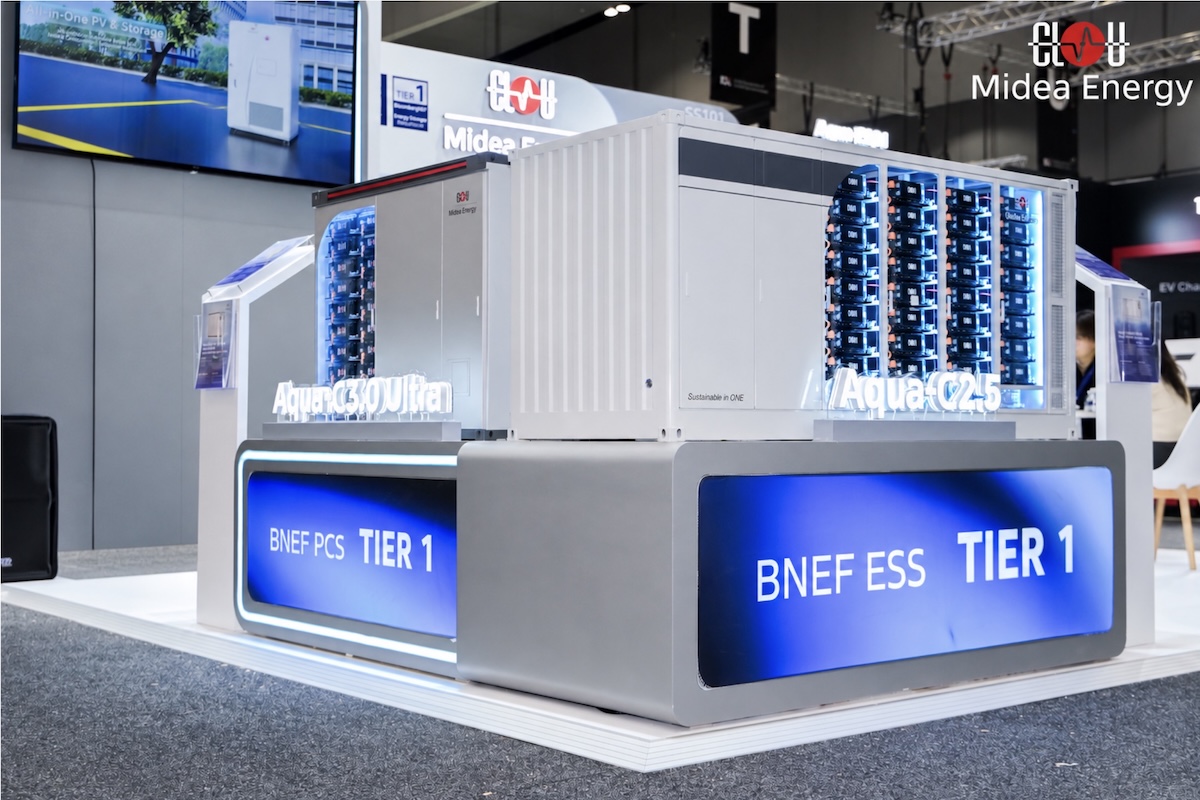
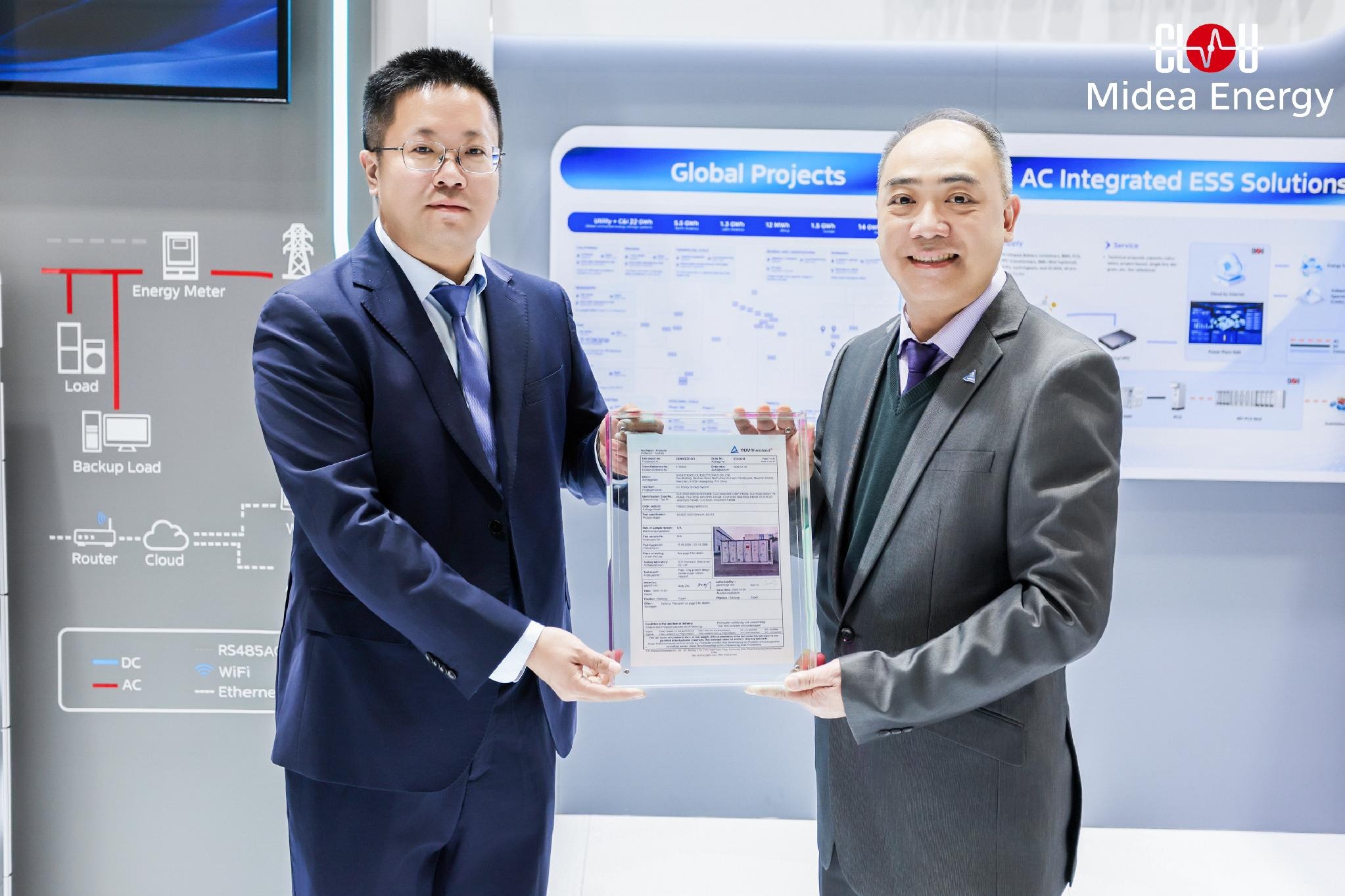
The same architecture, CLOU says, allows capacity to be added on either the AC or DC side as a project ages. The company also points to BloombergNEF Tier 1 status for both energy storage systems and PCS/inverters, and says its flagship systems have completed a DNV Technology Review.
Those claims, however, do not replace independent diligence. For buyers financing utility-scale storage or industrial microgrids, they are architecture details that now sit alongside capital cost on the scorecard.
Durability where sites are hardest
CLOU also points to operating records that, it argues, matter more to industrial and microgrid operators than brochure peak ratings: more than 900 fault-free operating days in Chile’s Atacama Desert, and stable operation at a mining site in Argentina at 4,100 meters.
The relevance is operational. High altitude and desert duty are conditions in which mismatched stacks often show up as downtime — a cost that specifications rarely price clearly.
Advanced grid support, duration, and software
As grids ask storage for longer duration and stronger stability support, attention has been shifting to grid-forming PCS and tighter software integration. CLOU says developing its own PCS and controls gives it the ability to support advanced grid-support functions. For grid-forming requirements, the company says it uses engineering platforms and control algorithms to provide grid-connection solutions tailored to each country’s grid code and each project’s requirements.
Discharge duration, according to the company, is configured to what the grid needs, from short-term frequency regulation to longer peak shaving and load shifting, using commercially proven setups. On software, CLOU says its PCS, BMS, and EMS share control-level coordination, while exposing open, standard communication interfaces so that customers can connect their own trading and market-optimization algorithms.
On chemistry, CLOU says it remains focused on lithium iron phosphate (LFP) for safety and cost certainty, while closely monitoring next-generation chemistries such as sodium-ion and advancing targeted technical reserves as those markets mature.
Delivery and bankability
International developers typically weigh bankability and after-sales assurance as heavily as hardware. CLOU says it works through distributors, EPCs, and developers, with an overseas after-sales and commissioning team of more than 40 specialists, as well as overseas warehousing and supply-chain support. On-site commissioning, grid-connection coordination, and local operations response are arranged on a project-by-project basis, according to the company.
On supply, CLOU’s Yichun base has an annual capacity of 20 GWh of energy storage systems, and the company says overseas manufacturing expansion is underway. CLOU is also backed by Midea Group, a Fortune Global 500 company. The company cites the group’s balance sheet and global resources as support for large-scale delivery and long-term commitments.
What buyers should ask
Evaluating storage only on initial capital cost leaves out failures that tend to appear later: thermal drift, control mismatches, and downtime in difficult climates. Full-stack ownership is one industry answer to that risk, but it is not the only diligence question.
Whether or not a buyer chooses CLOU, the questions are becoming clearer: who owns the PCS, BMS, and EMS; how tightly those layers are designed together; what field evidence exists under stress; and whether local commissioning and after-sales can support the project for its full life. For buyers assessing energy infrastructure under rising digital and industrial load, those questions now sit alongside interconnection rules and lifetime cost.