You should judge an automatic cat litter box on four main things: reliable safety features that detect when your cat is using the box, a sealed and filtered waste drawer for odor control, an entryway and interior sized to your cat’s comfort, and realistic weekly maintenance like litter top-ups and filter changes.
An automatic litter box is a primary tool for feline comfort and fresh air in your home. Selecting the right one depends entirely on your cat’s personality and your available floor space. This guide breaks down those specific features to help you compare different cleaning machines. Smart owners consider their household needs to find the most suitable model for their furry friends.
Why Cat Owners Switch From Traditional Boxes
You probably want an automatic cat litter box because manual scooping and the smell of ammonia get exhausting. A traditional litter box stinks because waste sits exposed to the air until you scoop it. An automatic model removes waste within minutes of your cat finishing their business. A quick cleaning cycle limits the time bacteria have to produce odors. In multi-cat homes, one cat might trigger the cleaning cycle multiple times a day, and manual scooping simply cannot keep up with the mess. Automation removes the daily burden of scooping, especially if you have a busy schedule or mobility issues.
Safety Features to Check
Safety matters most when you bring an electronic litter machine into your home. Quality models use multiple safety features to detect when your cat is using the litter box and pause cleaning whenever necessary. Infrared sensors help detect your cat near the entrance, preventing the cleaning cycle from running while the litter box is in use. Some advanced models even use anti-pinch technology, so the machine stops the moment it feels any resistance. If your cat touches the rotating drum, the sensors immediately halt the moving parts.
Some automatic litter boxes have minimum size or age recommendations before kittens should use the self-cleaning function. You should use a manual mode until your kitten grows large enough to trip the sensors. Also, some litter boxes need a hard, level floor to read sensors correctly. Placing the machine on soft carpet or an uneven surface may interfere with normal operation. Placing the litter box on a flat, solid surface helps ensure reliable performance.
Odor and Waste Drawer Basics
Good odor control comes down to quick waste separation and a sealed compartment. The machine starts the cleaning cycle several minutes after your cat leaves, giving the litter clumps time to firm up. Once the cycle finishes rotating the drum, the waste falls directly into an inner drawer. A carbon filter inside this drawer traps odor molecules to keep your air clean. If you live in a small apartment or keep the box in a bedroom, a tight seal on the waste drawer offers your best solution. The lid blocks foul smells, keeping your living room fresh for you and your family.
Before you buy, you should calculate the recurring costs of filters and liners. Your automatic litter box requires fresh filters to maintain clean indoor air. If the box starts to smell, you likely have a full drawer or a dirty filter. You should also schedule a deep cleaning session once a month to remove any stuck-on residue from the interior walls. You can easily clean the internal parts using a wet cloth and mild soap.
Open Design, Space and Cat Comfort
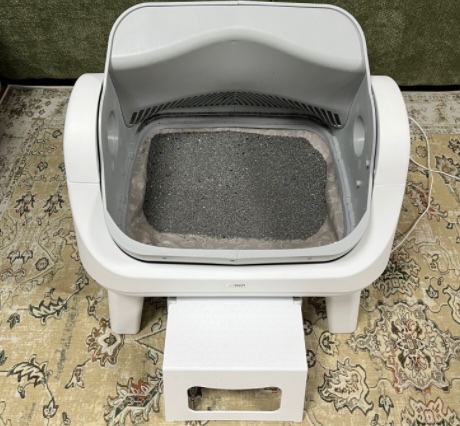
The shape of the machine plays a huge role in your cat’s comfort. Globe machines offer privacy, but they often feel too cramped for a large cat. Open-top designs let your cat see the surrounding room while they use the bathroom. This visibility reduces hesitation and makes them feel much safer. You should check the width of the entryway and the interior height to guarantee a comfortable fit for your cat. A model that looks like a standard litter tray also facilitates a much smoother transition to the new machine.
The size of the litter chamber determines how much clean sand it holds at one time. A larger waste container means you empty it less frequently during the week. Busy families prefer a large bin so they only have to empty the drawer once a week. If you have multiple cats, you need a machine with high waste capacity and a large storage drum. A large bin provides the efficient waste management your multi-cat home needs.
| Factor | What to check | Why it matters |
|---|---|---|
| Sensor type | Infrared detection and other built-in safety mechanisms | Redundant sensors reduce false starts and missed detections |
| Waste drawer | Sealed compartment with carbon filter | Directly controls how much odor escapes into the room |
| Entryway and interior height | Measured against your cat’s size | Determines comfort for large or older cats |
| Litter compatibility | Clumping clay, tofu, or crystal | Determines whether the sifting mechanism works reliably |
| Cleaning frequency needed | Daily wipe down vs weekly deep clean | Sets your realistic maintenance workload |
Maintenance and Litter Compatibility
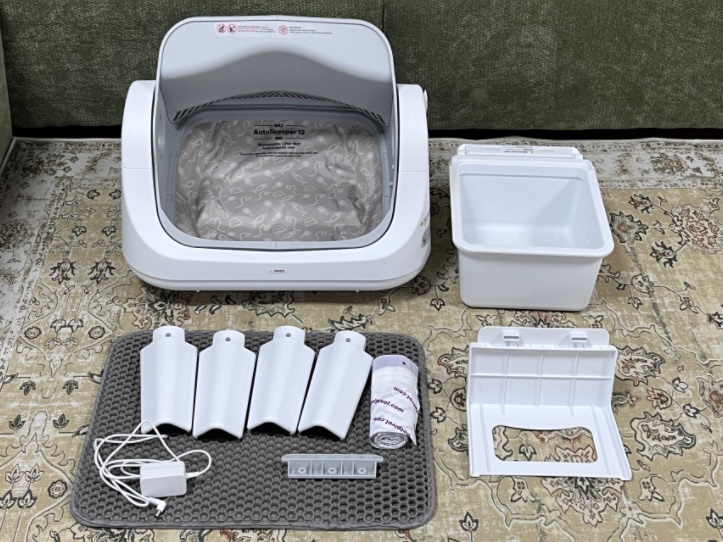
Even a PetPivot automatic cat litter box doesn’t work entirely without your help. You must add new litter and empty the waste drawer on a regular schedule. To prevent dust from blocking the motion sensors, you should wipe down the interior regularly. Clumping clay litter is the best choice for the sifting screens. Litter that forms hard, dry clumps quickly prevents annoying clogs or jams. Keep in mind that some natural litters, like tofu pellets, don’t work well with every sifting motor on the market.
Wiping the sensors once a week is a simple way to keep the machine running smoothly. Thick dust on the infrared sensor glass causes false detection errors. This quick weekly cleaning ensures your machine functions exactly as it should.
When an Automatic Cat Litter Box May Not Be Right
A PetPivot self-cleaning litter box isn’t the right choice for every single household or cat. Very young kittens should only use the automatic cleaning function when they meet the manufacturer’s recommendations. A very nervous cat that fears mechanical noises will likely prefer a traditional litter tray. If you don’t have a power outlet near your litter area, you should stick to a manual scooping method. Even when you go on a long vacation, the machine still needs maintenance. While it makes short trips easier, you cannot completely abandon the machine during a long vacation. You will still need a pet sitter to check on the device occasionally in case a cleaning cycle is interrupted.
Frequently Asked Questions – FAQs
Is a Petpivot automatic cat litter box safe for kittens?
Very young kittens may not be suitable for automatic cleaning cycles. Always follow the manufacturer’s recommendations before allowing kittens to use the self-cleaning function.
How often do I need to empty the waste drawer?
How often you empty the drawer depends on the number of cats using the machine. If you have a single cat, you can usually wait a full week before emptying the bin.
What litter works best in an automatic box?
Standard clumping clay works great with the sifting teeth of an automatic litter box. Long pellet litters often get trapped in the screen because the pellets simply don’t fit through the holes.
Will an automatic box completely eliminate odor?
The machine reduces household smells by hiding waste in a sealed bin. To keep the air around the machine smelling fresh, just remember to change your filters regularly.
Do automatic litter boxes work for multiple cats?
Automatic boxes work perfectly for homes with multiple cats that use the litter frequently. Make sure every cat is comfortable using the litter box and that you follow the manufacturer’s recommendations for safe operation.