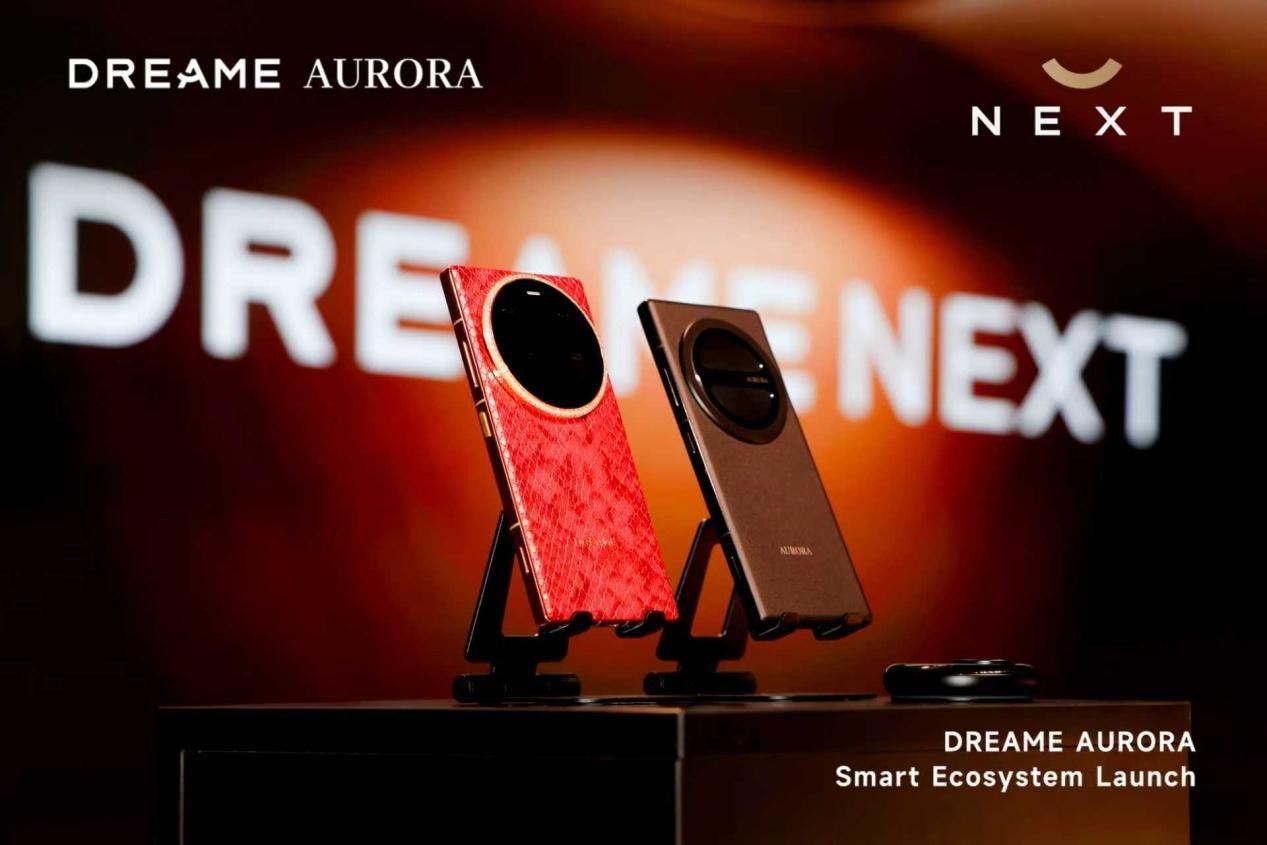
Held under the theme of “Connect NEXT,” DREAME AURORA made its Silicon Valley debut on April 29th. The event unveiled three foundational breakthroughs in imaging, communication, and its new operating system, marking the company’s push toward a new generation of intelligent devices—designed around human perception. It drew global attention to the company’s long-term vision.
In a market widely considered saturated and homogenized, DREAME AURORA is pursuing a contrarian strategy: building the entire technology stack from underlying chips to software systems rather than optimizing within existing constraints. Steve Wozniak, co-founder of Apple and pioneer of the personal computer revolution, appeared at the event to explore the next decade of technology development alongside DREAME AURORA. His presence represents a powerful testament to how next-generation hardcore technology innovation will lead the future.
The smartphone industry has long been trapped in hardware specification races, with excessive camera stacking, unstable connectivity, and superficial optimization shaping the competitive landscape. DREAME AURORA believes this incremental approach has reached its limits. The company maintains that next-generation devices must be rebuilt around three core values: more vivid recording, more convenient connection, and more seamless intelligence. This perception shift, as the company describes it, demands rebuilding the device from the ground up.
This ambition is backed by substantial long-term resources. Over the next three years, DREAME AURORA will expand its efforts across its three technology pillars. Its mobile team will grow rapidly, with R&D personnel accounting for the vast majority. The imaging division alone has assembled a large team of seasoned experts averaging over ten years of industry experience. This is not merely a product launch; it is infrastructure aimed at establishing a robust technological foundation.
At the center of this strategy lies DREAME AURORA Smart OS, a new operating system materially different from platforms that simply add features on top. Smart OS embeds capabilities from the kernel layer through the framework layer to the application layer, enabling deep hardware-software synergy and full-chain scheduling. The system is designed to be proactive: it remembers context, anticipates needs, and prepares planned tasks before being asked. It understands emotion, retains memory, and evolves with the user. The interface shifts from menu-based navigation toward conversational understanding, gradually displacing the “human-adapts-to-device” model.
The Smart OS delivers three notable developments. First, memory: the system retains comprehensive context and acts proactively to lighten user load. Second, personalization: it grows to know the user over time, revolving around true intent rather than fragmented commands, so the system understands the user instead of forcing the user to learn the system. Third, intelligent collaboration: it breaks down complex tasks that rarely belong to a single app or operation, driving continuity and enabling multiple agents to coordinate across scenarios.
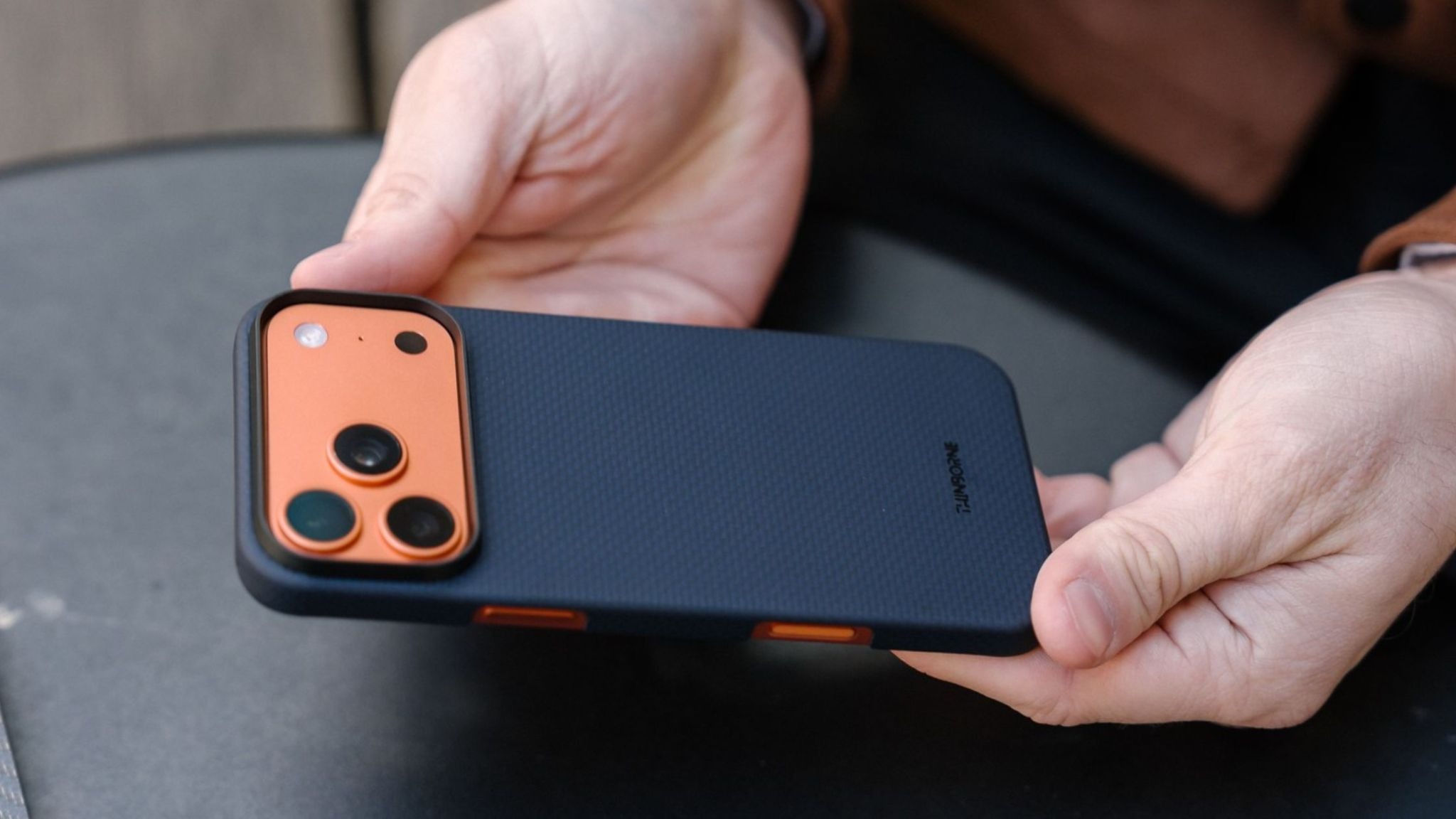
Equally notable is the hardware philosophy. The DREAME AURORA NEX series introduces a modular architecture that breaks the physical space constraints of traditional smartphones. Through magnetic attachments, one host device unlocks capabilities via four professional modules. The action camera module delivers steadier recording. The telephoto module brings distant subjects closer with enhanced image quality. The satellite communication module provides reassurance in remote locations. The agent module is detachable and flexible, allowing intelligence to move beyond the screen and flow into daily life.
In imaging, the company has moved beyond selecting top-tier hardware, deeply integrating algorithms currently in development while using modular architecture to overcome physical limitations. Key technologies including full-focal-length 200MP, full-focal-length LOFIC, and 3D spatial-modeling photos have entered the final sprint toward commercialization. In communication, the company has built a full-time signal solution with 360° wrapping antennas and optimization to deliver stable connectivity across diverse environments.
By controlling the full stack from underlying chips and core algorithms to hardware design and software systems, DREAME AURORA is working to expand what a personal intelligent terminal can become.