With the commercial launch of Rokid Ai Glasses Style, Rokid is now operating on two distinct product tracks, one targeting each phase of AI glasses adoption. While the earlier Rokid Glasses proved market demand for AI-powered eyewear, Style refines that success into a lighter, more accessible form designed for everyday use.
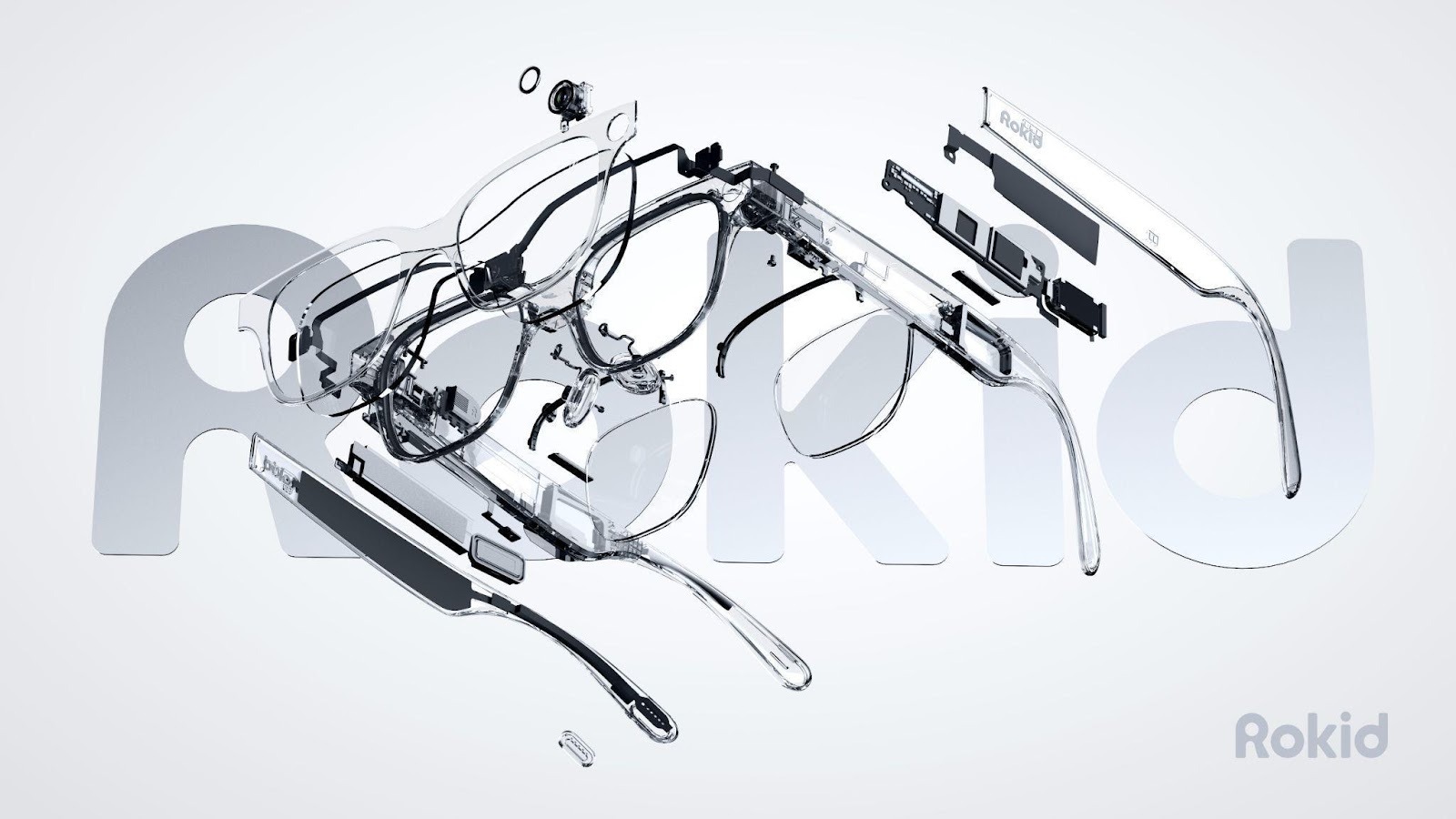
The differences are measurable.
Rokid Glasses, released earlier in the year, focus on full-function AI + AR with a visual display, positioning the product for productivity, navigation, and contextual information. That strategy resonated: the product became one of the highest-funded XR wearables globally, raising over $4 million through crowdfunding and validating demand for AI glasses with on-lens displays.
Rokid Ai Glasses Style takes a different approach. By removing the display entirely, Rokid reduced the product’s weight to 38.5 grams, compared with the heavier, display-equipped Rokid Glasses. The result is a shift from visual interaction to voice-first, audio-driven AI, designed for all-day wear rather than episodic use.
Battery performance also reflects this change. Style delivers up to 12 hours of typical daily use and over 24 hours of standby time, compared with shorter active-use windows required by display-based systems. For users, that translates into fewer charging cycles and more consistent availability.
Another key data point is accessibility. Rokid Ai Glasses Style was built prescription-first, supporting vision correction from plano to ±15.00D, including progressive and photochromic lenses. While prescription support existed for Rokid Glasses, Style integrates lens ordering into a global online workflow, reducing friction for everyday users and expanding the addressable market.
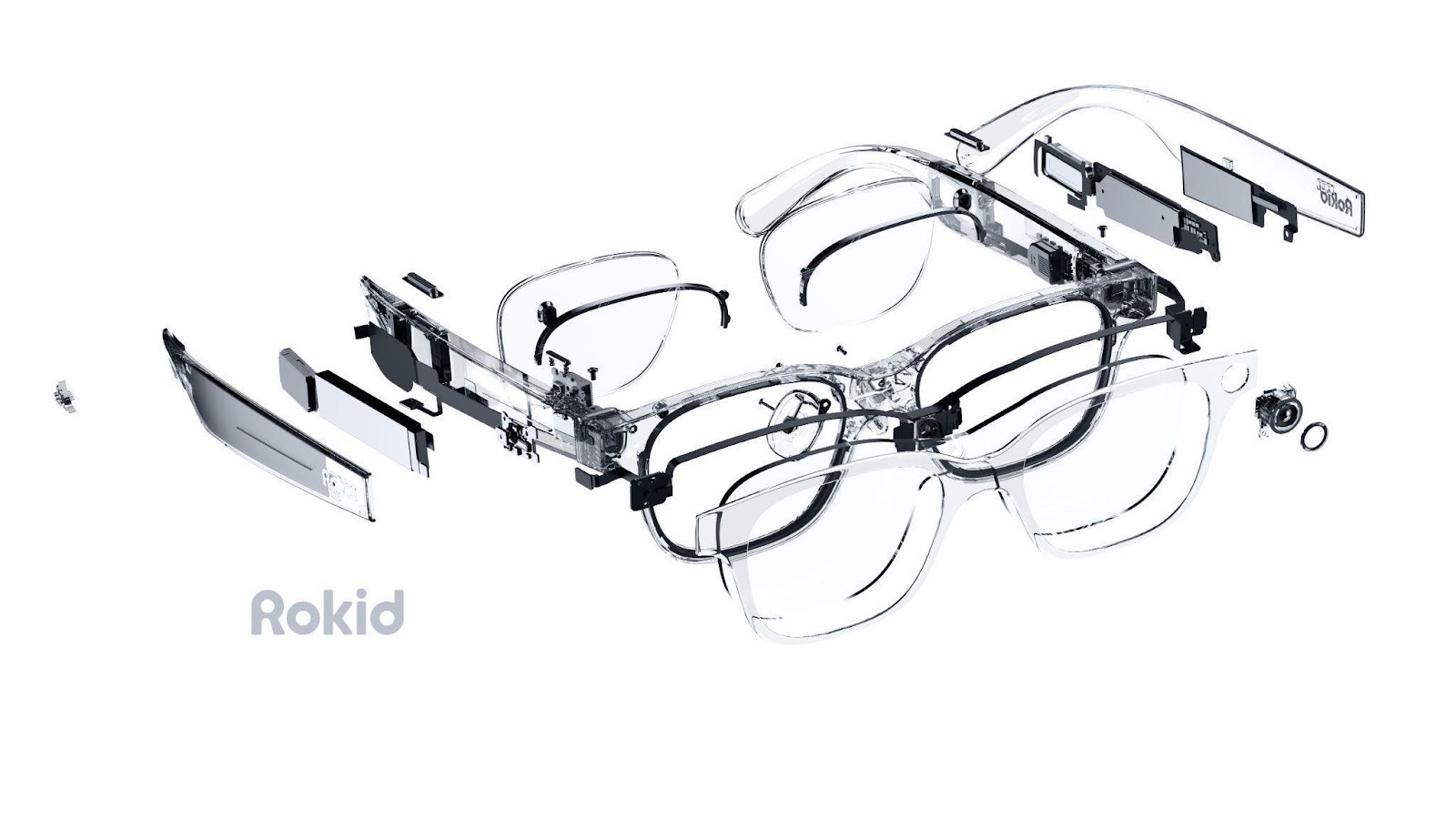
Both products share Rokid’s core platform advantages: an open AI ecosystem, global availability of AI assistants, real-time translation across regions, and multimodal interaction. The difference lies in prioritization. Rokid Glasses emphasize information density and visual context; Style emphasizes comfort, simplicity, and constant availability.
Pricing underscores the strategic split. Rokid Ai Glasses Style launches at $299, lowering the entry point compared with the earlier Rokid Glasses and signaling a move toward scale rather than early-adopter experimentation.Taken together, the data suggest that Rokid is no longer testing whether AI glasses work but is instead optimizing how different users adopt them. Rokid Glasses established the category. Rokid Ai Glasses Style is designed to expand it.