Brain–computer interfaces have long been associated with medical labs, invasive implants, and distant promises. At CES 2026, LumiMind is presenting a different vision—one where non-invasive brain technology is practical, wearable, and ready for everyday use.
The company is showcasing LumiSleep, a consumer sleep device built on millisecond-level, real-time EEG monitoring, alongside live demonstrations that reveal the broader capabilities of its non-invasive brain–computer interface (BCI) platform. Together, the product and demos illustrate how brain-based control is moving beyond research settings and into real-world environments.
A Sleep Device That Listens to the Brain
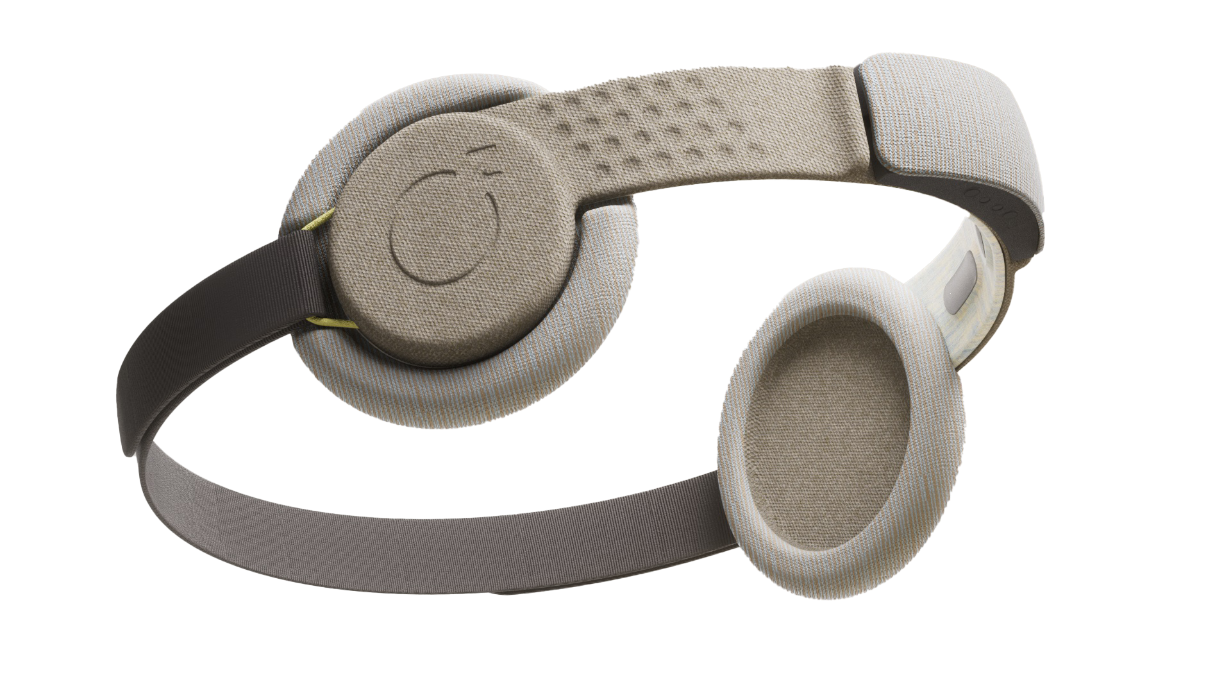
LumiSleep is designed to address a core limitation of today’s sleep technology: indirect measurement. Most sleep trackers rely on motion, heart rate, or breathing patterns to infer sleep stages. LumiSleep instead measures brain activity directly using integrated EEG sensors housed within a soft, over-ear headband.
According to LumiMind, the device continuously monitors neural signals to identify a specific pattern associated with the brain’s natural transition into sleep, referred to as the Sleep Onset Pattern™. When the system detects that the brain is approaching this state, it responds with personalized acoustic output intended to gently modulate neural activity rather than stimulate or override it.
The entire process operates as a closed-loop system. Neural decoding, sound generation, and modulation occur locally on the device, without relying on cloud processing or external hardware. LumiMind emphasizes that the system is fully non-invasive and drug-free, positioning LumiSleep as a natural alternative to medication or rigid sleep routines.

Why CES Is the Right Stage
To demonstrate the performance ceiling of its neural decoding technology, LumiMind is also running live demonstrations at CES using the same BCI foundation to control complex digital environments. One of the most notable examples is a real-time gameplay session, controlled by using brain signals alone.
While gaming is not the intended consumer application, the demo serves as a stress test. Fast-paced action games demand continuous, low-latency input and smooth control—conditions that quickly expose limitations in signal decoding and responsiveness. LumiMind argues that if a non-invasive system can meet those demands in public demonstrations, it can support more subtle and stable applications like sleep modulation.
The underlying research behind these demonstrations was developed in collaboration with the INSIDE Institute for NeuroAI, which has conducted multiple public, real-world BCI tests outside traditional lab environments.
A Shift Away from Invasive Neurotech
Much of the recent attention in the BCI space has focused on implant-based approaches pursued by companies such as Neuralink. While those systems offer direct access to neural signals, they require surgical implantation, recovery periods, and ongoing clinical oversight.
LumiMind is taking a different path. By advancing neural decoding algorithms and real-time signal processing, the company believes non-invasive systems can deliver meaningful performance without the risks and barriers associated with implants. The CES demonstrations are intended to show that non-invasive BCIs are no longer limited to simple or experimental use cases.
Designed for Everyday Use
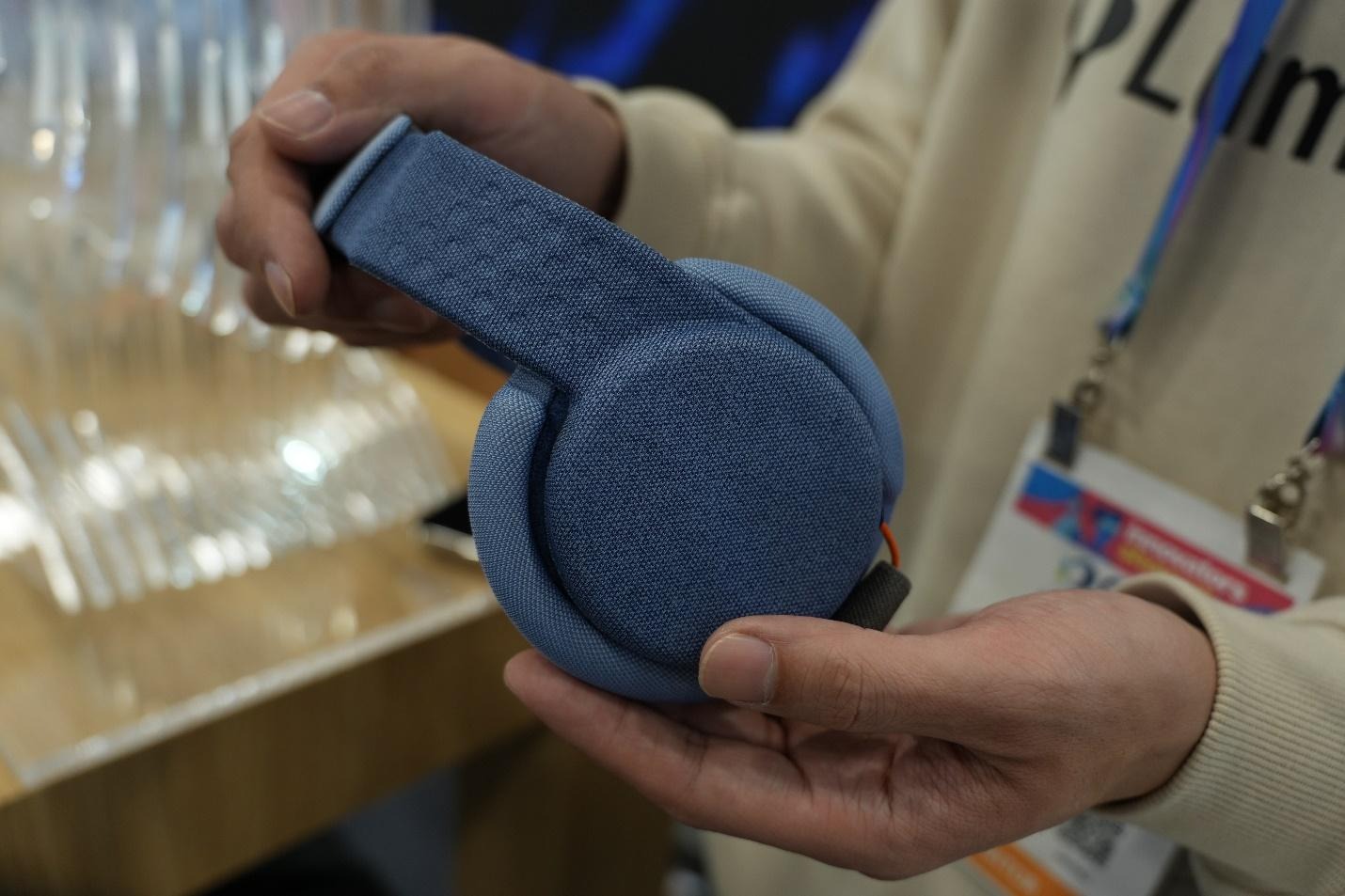
LumiSleep’s physical design reflects its consumer focus. The headband features ultra-soft dry EEG electrodes that do not require gels or adhesives, a cushioned over-ear form factor suitable for side sleepers, and breathable fabric materials that resemble a sleep accessory rather than medical equipment. Battery life is designed to last through the night, and audio output is localized to avoid disturbing others nearby.
Looking ahead, LumiMind sees LumiSleep as the first step in a broader neurotechnology platform that could extend into focus, emotional regulation, and hands-free interaction across digital environments.
At CES 2026, LumiMind isn’t presenting brain technology as a futuristic concept. Instead, it’s showing how non-invasive BCIs can quietly integrate into daily life—starting with sleep and expanding far beyond it.