Over the past year, I’ve tested a number of modern hearing-assistance devices. What continues to impress me is how well some companies are merging traditional hearing-aid performance with the convenience and refinement of consumer tech. With the recent launches of the Cearvol Wave Lite and Cearvol Nano, both devices address different user needs while sharing a strong emphasis on AI processing, feedback control, and thoughtful design.
Understanding the Key Difference: ITE vs. ITC
Before diving into each model, it’s helpful to understand the design distinction:
- ITC (In-The-Canal) devices like the Nano sit deeper in the ear canal. They are more discreet and ideal for people who want something nearly invisible.
- ITE (In-The-Ear) devices like the Wave Lite fill part of the outer ear. This design gives manufacturers more room for larger batteries, stronger processors, and features such as Bluetooth.
I usually encourage people to choose the style that fits their lifestyle rather than focusing solely on size. ITC models are excellent for minimal visibility, while ITE devices often offer the best mix of convenience and advanced features.
Cearvol Nano
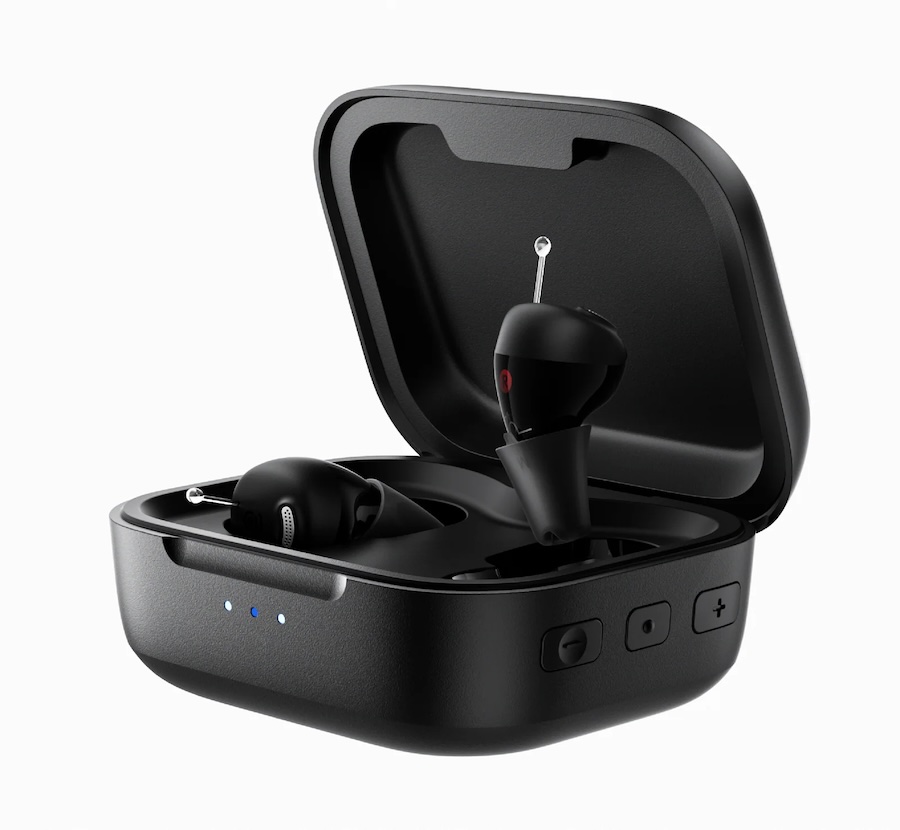
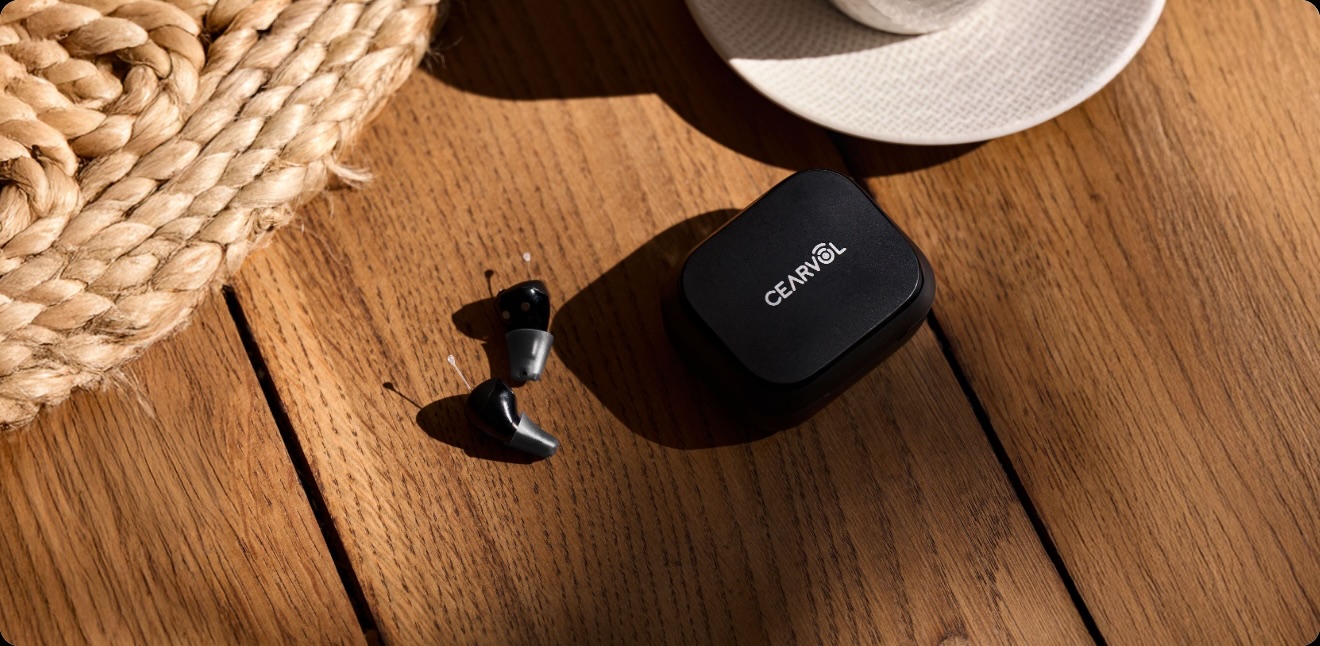
The Cearvol Nano has a clean, minimal design and is very discreet when worn. It’s designed not only to visually disappear but also to deliver consistent, clear audio even in noisy environments.
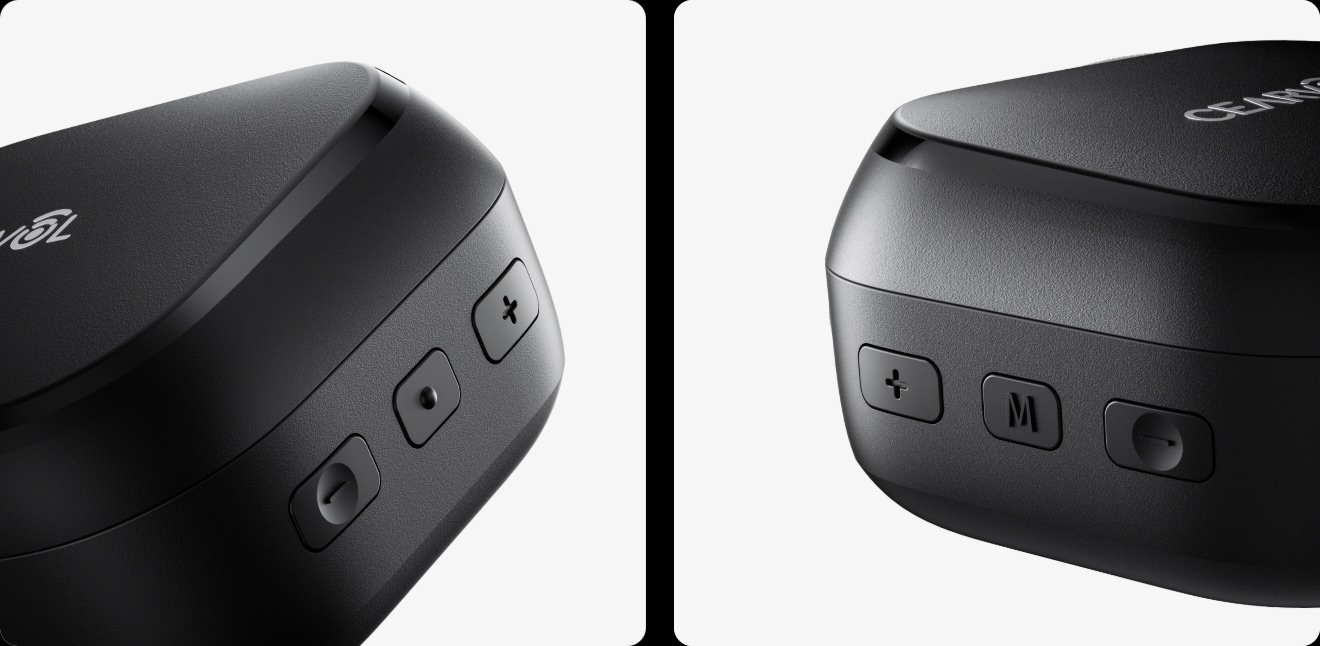
One of its standout features is a first-of-its-kind charging-case control system. Adjusting volume or switching modes on typical ITC devices usually requires touching the device itself—often causing handling noise or feedback. Cearvol avoids this by allowing all adjustments directly from the case. It’s one of those small details that makes a surprisingly big difference in everyday use.
Feedback suppression is another area where the Nano claims to excel. According to Cearvol, it uses an advanced feedback-control algorithm that is significantly stronger than what’s typically found in devices of this size. It actively cancels the whistling caused by amplified sound leaking from the ear canal. If you’ve ever had that sudden piercing squeal while adjusting your device or hugging someone, you’ll understand why this matters.

Cearvol Wave Lite
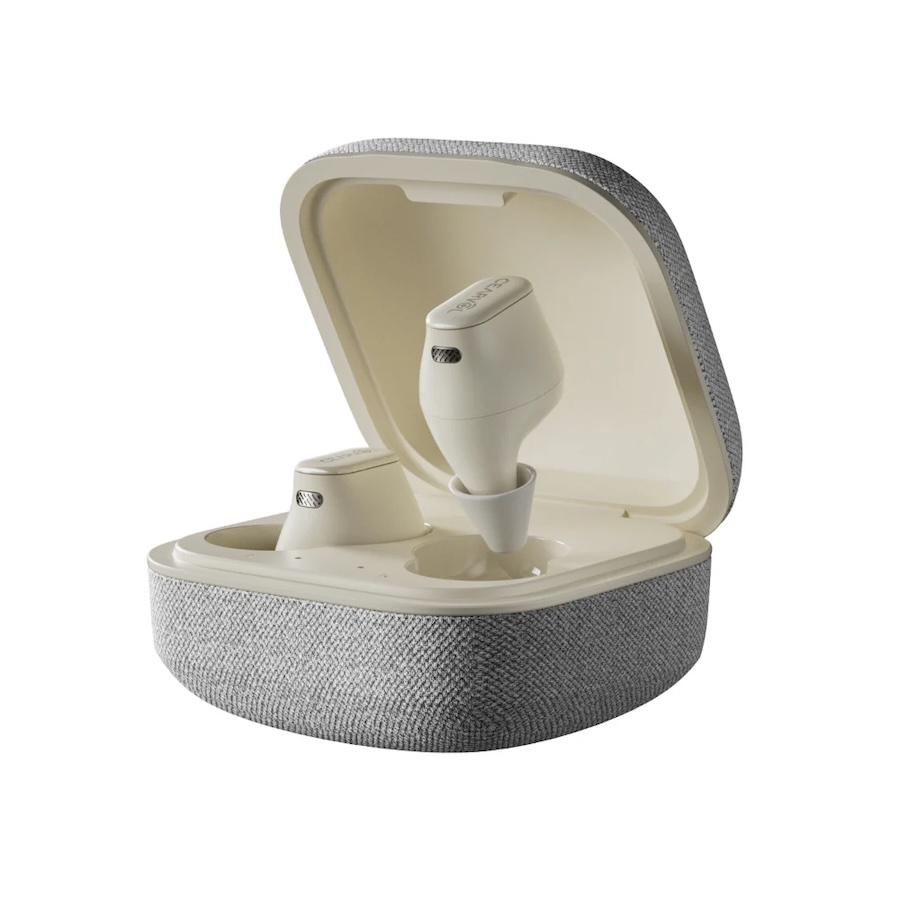
While the Nano focuses on invisibility and simplicity, the Cearvol Wave Lite is built for users who want stronger performance and more connectivity.
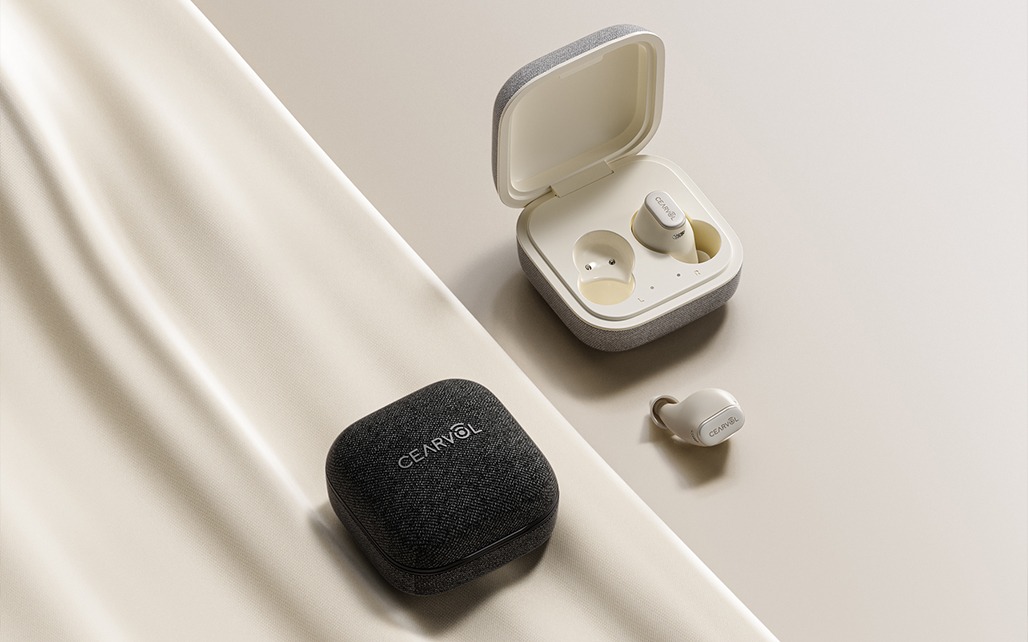
As an ITE device, Wave Lite has room for more advanced hardware. Its sound signature is described as professional-grade—closer to premium audio earbuds than traditional hearing aids. For people who frequently switch between conversations, podcasts, and music, this is important. Many hearing devices emphasize speech clarity but flatten music; Wave Lite appears to aim for a more balanced, full-range audio experience.
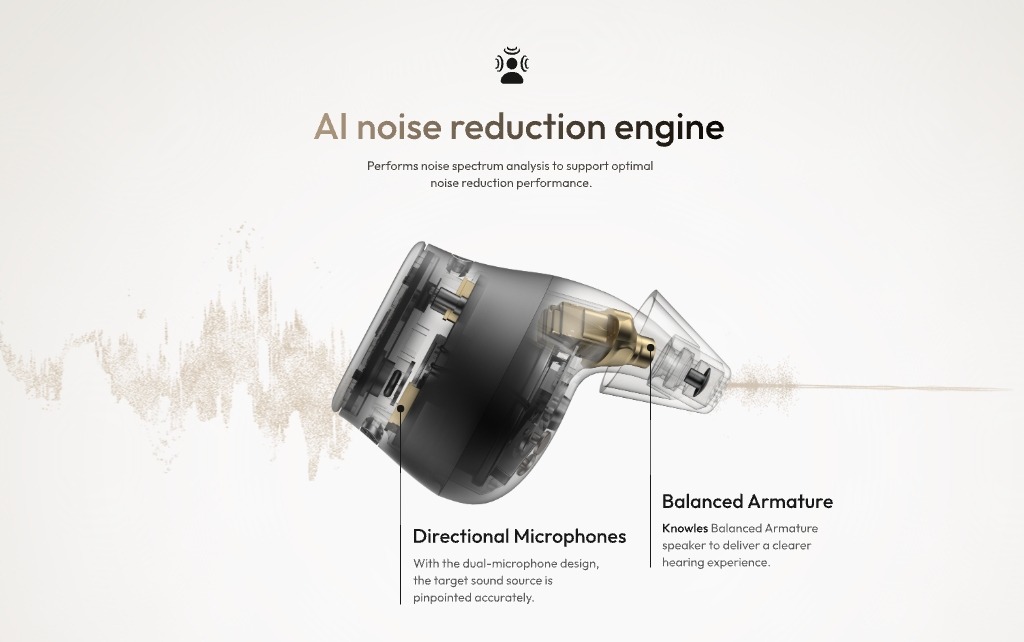
The Wave Lite integrates NeuroFlow AI 2.0, the company’s independently developed next-generation intelligent hearing technology platform. Built on a deep neural network (DNN), it analyzes environmental changes in real time, automatically identifies speech versus noise, and dynamically optimizes sound across complex listening environments.
Compared to the previous generation, NeuroFlow AI 2.0 delivers substantial improvements:
- ~24% better speech enhancement and recognition accuracy
- Clearer, more natural communication in noisy settings
The inclusion of this platform allows Wave Lite to deliver a noticeably clearer and more refined listening experience.
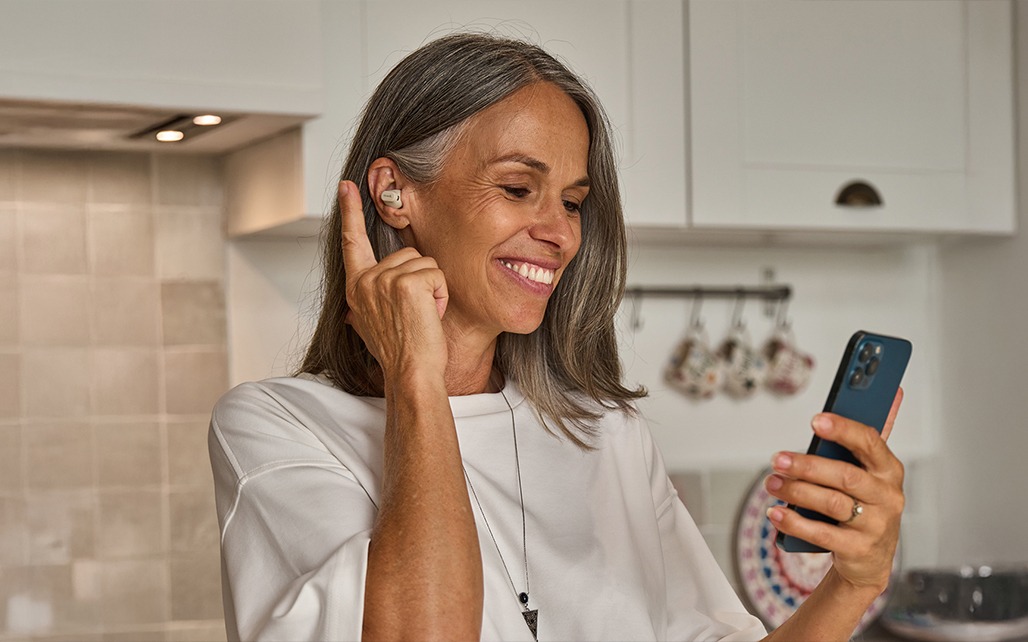
Another compelling feature is its next-generation AUX-IN hybrid connectivity. Users can switch instantly between wireless Bluetooth and wired input, meaning the Wave Lite can plug directly into airplane entertainment systems, older TVs, or any device with limited Bluetooth support—something Bluetooth-only models can’t do.
Final Thoughts
Both products highlight how hearing technology is evolving—becoming smarter, smaller, and more user-friendly. The Cearvol Nano is a discreet ITC device with clever usability enhancements, while the Cearvol Wave Lite delivers richer sound and hybrid connectivity in an ITE form. It’s exciting to see consumer-friendly hearing solutions continue pushing forward. I’ve also heard that the company plans to showcase its next-generation hearing aids and hearing-aid glasses at CES 2026, which could be a very exciting development for hearing-aid users.